



Opinion: Aftermarket Brakes Are a Rusty Menace
Safety expert cautions dealers to be wary of aftermarket brake pads, which are not held to the same standards as OEM parts and may contain untreated steel.

American steel used in brake-pad backing plates is galvanized to prevent undue rust and corrosion, a standard not uniformly applied by manufacturers overseas.
Photo by Thomas via Flickr
Brakes are one of a vehicle’s most important safety features, yet hundreds of millions of vehicles on the road today are driving on compromised brakes, putting countless lives at risk. The reason is simple: rust.
Original equipment engineers design brake pads so they don’t separate from the steel and must wear out evenly over time — but the aftermarket doesn’t. Aftermarket brakes are highly susceptible to rust and premature failure.
Why doesn’t the aftermarket have to match OEM standards? Because according to the law, there are no standards.
It may surprise you to hear that automotive aftermarket brakes are not covered by any state or federal regulations. Nor are there any industry standards for brakes sold in the United States. This absence of regulations and standards allows manufacturers to use any materials they choose, leading to the use of subgrade, untreated steel from Asia.
These brake pads are painted so they look great on a retailer’s shelf, which creates the perception of a quality product. This conceals the fact that brake pads made from subgrade, untreated steel that rusts, and has the potential to fall apart.
Rust on the disc rotor is visible on rotating wheels and this surface rust will usually wipe away with just a few turns of the wheel. This is not a safety concern. The big safety concern is what you can’t see: brake pads rusting and rotting inside a caliper.
Inside Your Brake Pads
Brake pads are comprised of friction material and steel backing plates. Most brake pads are painted, which offers a nice look, but provides little protection against rust and corrosion that can lead to brake failure.
Untreated steel exposed to environmental conditions will rust and corrode. To protect against this, the backing plate steel must be treated since brake pads are exposed to very harsh environmental conditions, including extreme pressure and temperatures reaching over 1,600 degrees Fahrenheit.
Friction material is a complex and sophisticated composite designed to wear out gradually with use over time. It is essential that this friction material be permanently fixed to the steel back plate in a very secure way to ensure that it completely wears out until it comes time for replacement.
The backing plate steel should not rust or deteriorate. It must maintain its form, shape, and composition until the friction material has worn out.
Brake failure due to rust can be avoided by using American galvanized steel. Galvanization is a process that coats the steel with zinc to protect it from rust and corrosion.
Your Customers Are Getting Ripped Off
Cars are increasingly more efficient and people are driving less. But vehicle owners in the U.S. and Canada are spending more of their hard-earned dollars on brake jobs. According to Frost and Sullivan, in 2014, there were 94 million brake jobs in North America, much more than the 70 million predicted. That’s 24 million unnecessary brake jobs.
Economic factors predict fewer brake jobs. Instead, there has been an increase, which I believe is due to premature brake failure caused by rust.
Based on these findings, with the average brake job costing about $400, North American consumers are spending unnecessarily over $9 billion per year in substandard brake jobs and parts — and worse, driving on rusty brake pads.
Any industry that lacks regulation is self-regulated. When manufacturers of safety equipment can essentially make whatever they want, without any specialized knowledge, a dangerous situation results. Domestic distributors of brake pads are severely compromising vehicle safety in an effort to compete with other offshore brake pads dumped into the U.S. market.
It is time for American lawmakers to create higher standards in the brake industry. Consumers need to insist on OEM standards for all brake pads and have access to important information about brakes to make an informed purchasing decision. The time is now to get off autopilot and create stronger standards to ensure road safety for all.
Mark Lavelle is a 20-year automotive industry veteran who serves as OEM specialist for the Global Brake Safety Council.
More Fixed Ops
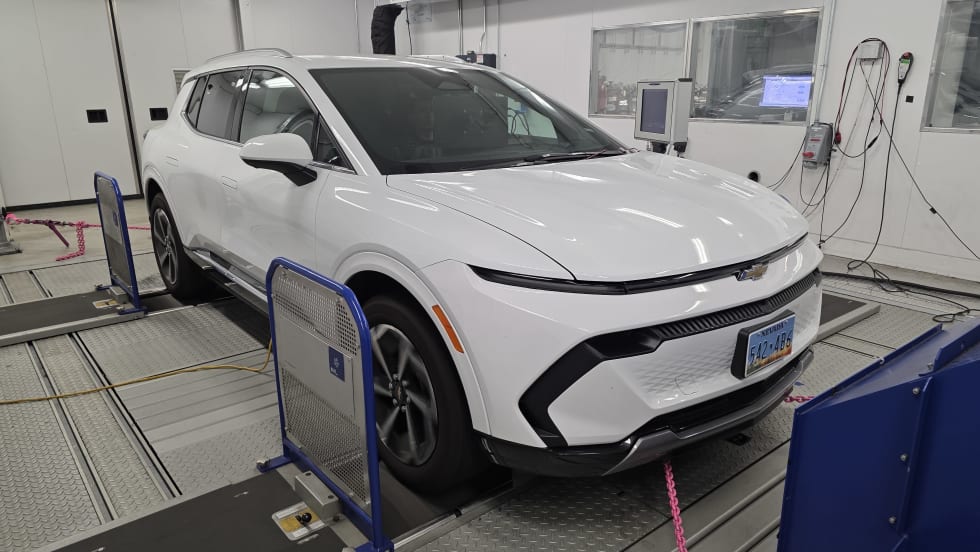
Extreme Temps Hinder EV Efficiency
American consumers might be happy to know that their preferred hybrids are slightly less impacted by extreme temperatures than fully electric vehicles, according to a new study.
Read More →
Ban on Air Bag Inflators by Chinese Maker Proposed
NHTSA blames 10 deaths and two serious injuries on what its investigators believe were illegally imported air bag inflators. It’s taking public comments before deciding whether to ban them outright.
Read More →
Fix It Forward Program Helps Man Regain Mobility
Albuquerque consumer who suffered a life-changing injury regains the use of his vehicle after Fiesta Volkswagen's service team shared his story with DOWC Cares.
Read More →
ASE Connects Partners With Worldpac to Build Technician Numbers
The collaboration is intended to help auto dealerships, automakers and after-market shops further develop the technician pipeline.
Read More →
Not as Tickled With Tires
U.S. consumers are finding less satisfaction with the rubber that meets their roads, though their loyalty to tire brands has lately inched up.
Read More →
Auto Recalls Sank Last Year
2025 Sedgwick data indicate that the number of vehicles affected fell to its lowest point in more than a decade.
Read More →
ASE Winter Registration Now Open
The deadline to register for the industry standard certification testing is March 31.
Read More →
U.S. Drivers Overdue for Major Services
Data shows dealers have ample opportunity ahead of the holiday travel season.
Read More →
Auto Dealers Losing Service Customers
Study finds that though overall service drive revenue is up, loyalty is eroding
Read More →
Jeeps Can Catch Fire
Hundreds of thousands recalled, some for second time, to address battery flaw
Read More →