



J.D. Power: Consumers Fear Tech Failures With Autonomous Cars
Compared with 2016, 11% more Gen Z consumers and 9% more Pre-Boomers say they “definitely would not” trust automated technology, according to the firm’s 2017 U.S. Tech Choice Study.
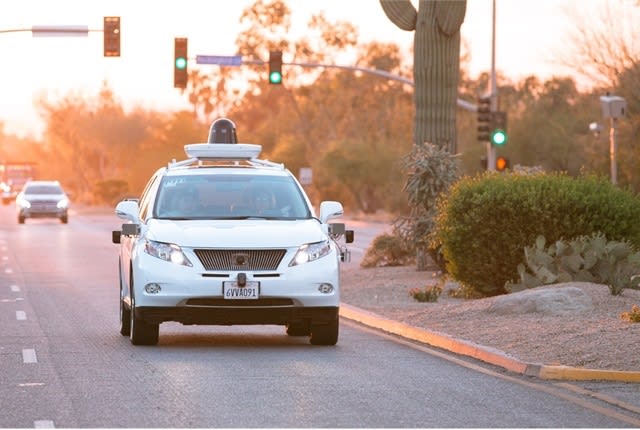
COSTA MESA, Calif. — With the exception of Gen Y, all other generational groups are becoming more skeptical of self-driving technology, according to J.D. Power’s 2017 U.S. Tech Choice Study.
According to Kristin Kolodge, executive director of driver interaction and HMI research at J.D. Power, consumer curiosity and acceptance increase the closer technology concepts get to becoming reality. That’s not the case with autonomous vehicles, however.
“With autonomous vehicles, we see a pattern where trust drives interest in the technology and right now, the level of trust is declining,” she said.
Compared with 2016, 11% more Gen Z consumers and 9% more Pre-Boomers say they “definitely would not” trust automated technology. However, similar to the 2016 study, consumers this year show great interest in collision protection and driving assistance technology.
According to the study, six of the Top 10 features that consumers were most interested in before learning the price — smart headlights, rear-view mirror cameras, emergency braking and steering system, lane change assist, camera side-view mirrors and advanced windshield display — come from those two categories.
“Along with collision mitigation, there are many benefits to autonomous vehicles, including allowing those who are unable to drive in today’s vehicles to experience freedom of mobility,” Kolodge said. “Interestingly, though, 40% of Boomers do not see any benefits to self-driving vehicles.
“Automated driving is a new and complex concept for many consumers; they’ll have to experience it firsthand to fully understand it,” she added. “As features like adaptive cruise control, automatic braking and blind-spot warning systems become mainstream, car buyers will gain more confidence in taking their hands off the steering wheel and allowing their vehicles to step in to prevent human error.”
Additional findings of the 2017 study include:
Generation gap for vehicle-controlled functions: When looking at technologies with the largest purchase intent gaps between the Gen Y/Gen Z and Boomer generations, younger consumers are far more comfortable with technologies that assume control of vehicle operating functions. Examples include allowing mobile devices to take control of infotainment systems; an in-vehicle artificial intelligence (AI)-based assistant; and autonomous driving and parking technologies.
Not a matter of price: For all five of the technologies with the largest purchase intent gap, Gen Y/Gen Z purchase intent is greater than Boomers, who say they definitely/probably are interested in a feature even before they know the price.
I’m going mobile: Gen Z has the highest interest in all alternative mobility types, including 50% indicating they are definitely/probably interested in mobility sharing/co-ownership; 52% for journey-based ownership; 56% for un6manned mobility; and 56% for mobility-on-demand.
Consumer interest in emergency braking and steering system technology: Upcoming agreements between automakers and the government will require vehicles to have emergency braking—a foundation technology for autonomous driving — as a standard feature within five years. The 31% of consumers willing to pay $700 for the advanced version of this system (adds steering) is greater than the percentage of consumers who would pay for less expensive technologies like digital key at $250; dash camera at $300; and mobile system control at $400.
Lukewarm on convenience: Consumers aren’t as enthusiastic about niche convenience technologies. Collision protection and driving assistance-related technologies comprise most of the technologies with the highest pre-price interest, while features in the entertainment and connectivity, and comfort and convenience categories show the lowest pre-price interest.
Notable convenience exception: Gen Z consumers have a fairly high interest in digital key technology, which eliminates the need for a physical key or key fob and is replaced by a smartphone or smartwatch. A total of 40% indicate they definitely would like digital key technology on their next vehicle, and 58% are willing to pay $250 for it, compared with 28% among all consumers.
Originally posted on F&I and Showroom
More Dealer Ops

Ladies and Gentlemen, This Is a Dealership: Why the Fundamentals Still Decide Who Wins
A teaching moment by a legendary football coach happens to apply perfectly in the auto retail space. Learn what it is and how to use it to your store’s advantage.
Read More →
Timing the Market Can Hurt Long-Term Program Performance
For dealer-owned reinsurance entities, avoiding volatility entirely can mean falling behind inflation and missing market rebounds that drive long term surplus growth. Missing just a handful of strong market days can materially impact cumulative returns—an important reminder for long horizon trust and investment strategies.
Read More →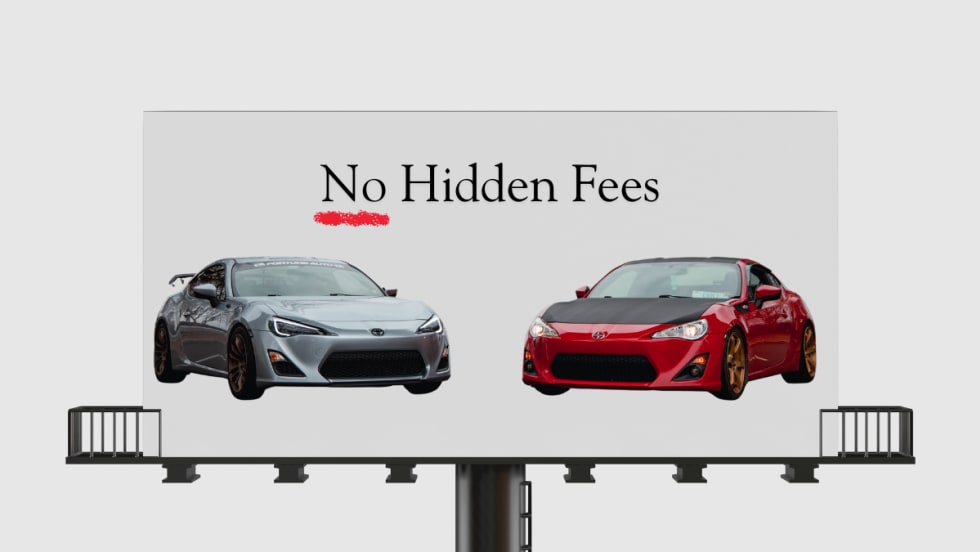
Dealer Ads and the FTC
The agency has made it clear in recent enforcement actions and warnings, in auto retail and other industries, that advertised prices must include all nonoptional costs to the consumer.
Read More →
Used Autos Supply Dwindles
The March shopping surge, despite high prices, cut into inventory by the most since the thick of the pandemic, Cox Automotive analysts calculated.
Read More →
Managing Risk Effectively Through Changing Times
The variables influencing risk pricing have changed significantly over the past five years. Being proactive and responsive to emerging trends is not optional but essential.
Read More →
Survey Reveals What Won't Fix What's Breaking Car Sales
AutoPayPlus says extra-long auto loans are trapping consumers and threatening the dealer trade-in cycle, and that the industry is leveraging the wrong tools to combat high MSRPs.
Read More →
IA American Appoints Two Execs
Senior vice presidents of the company's agent and dealer channels chosen to support general agents and help auto dealers with sales and performance.
Read More →
Cox Automotive Acquires Inspection Firm
Full ownership of Alliance Inspection Management, or AiM, meant to unlock growth for Manheim inspection capabilities
Read More →
Assurant Expands Partnership With Holman
Extended collaboration delivers training, products and performance development to 30 newly acquired Holman dealerships
Read More →
Franchises, Throughput Down in First Half
A handful of states see franchise growth through June, while EV sales per store boost overall business in U.S.
Read More →