



Vehicle Dependability Wanes
Annual study shows cars having more problems after three years.

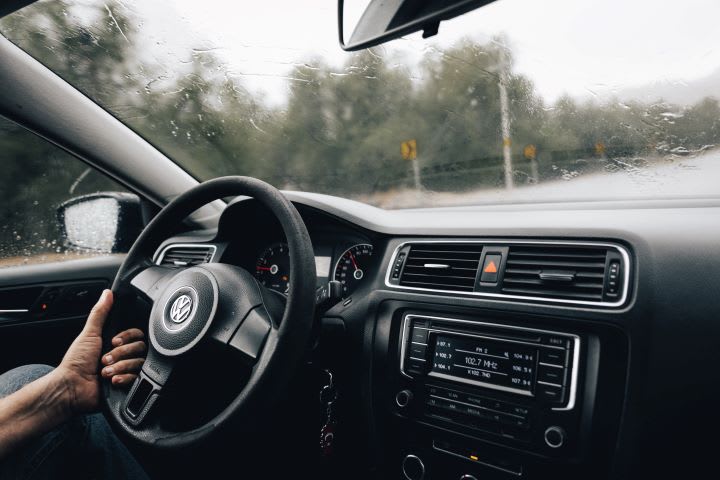
The study also shows that infotainment systems continue to be the most problematic feature of the newer vehicles.
IMAGE: Pexels/Alessandro Aviles
Newly released study findings show vehicles are deteriorating faster after three years of ownership, resulting in less dependability.
The 35th annual J.D. Power U.S. Vehicle Dependability Study found that last year the number of problems per 100 vehicles, or PP100, rose by four to 190 over 2022. It said that the rate of problems from 90 days of ownership to three years increased five percentage points to 17%.
The study, conducted in the fall and based on more than 30,000 responses, looked at 2021 model-year vehicles.
J.D. Power said that vehicle dependability deterioration is unusual.
“This can likely be attributed to the tumultuous time during which these vehicles were built, and owners are keeping their vehicles for much longer,” said Senior Director of Auto Benchmarking Frank Hanley in a press release on the findings.
“In fact, the average age of vehicles on American roads today is approximately 12 years, which underscores the importance of building a vehicle designed to stand the test of time. Automakers must ensure new vehicle technology introduced today will still meet the customer’s needs years down the road.”
The study also shows that infotainment systems continue to be the most problematic feature of new vehicles, with 49 PP100, almost double the level of problems of the next most problematic area. There is also a high level of annoyance with driver-assistance alerts.
Battery-electric and plug-in hybrid vehicles present more problems than gas-powered and hybrid models, the findings indicate.
The study gave Toyota the most segment awards of any brand, with nine total, including the luxury brand Lexus taking the highest overall dependability ranking for the second year in a row and the Toyota brand ranking first in the mass-market segment.
More Fixed Ops
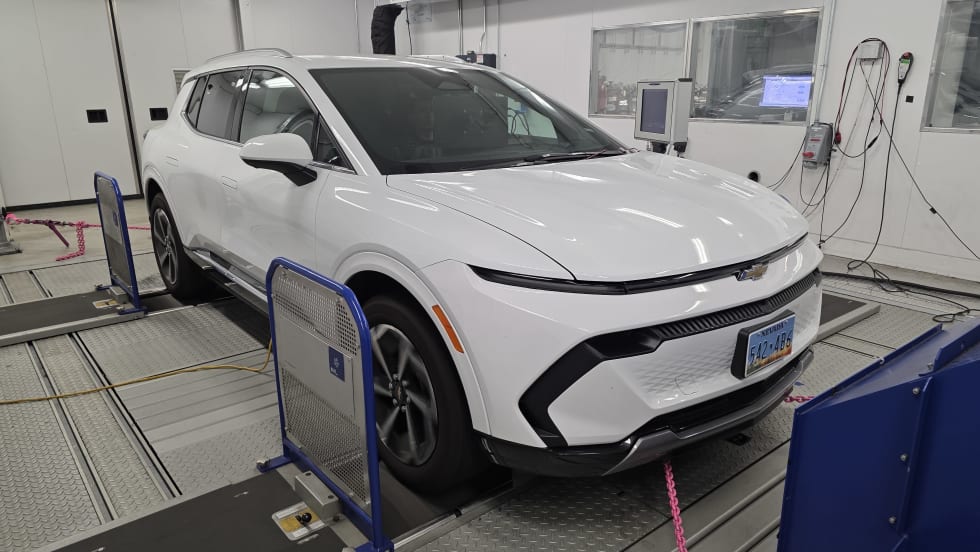
Extreme Temps Hinder EV Efficiency
American consumers might be happy to know that their preferred hybrids are slightly less impacted by extreme temperatures than fully electric vehicles, according to a new study.
Read More →
Ban on Air Bag Inflators by Chinese Maker Proposed
NHTSA blames 10 deaths and two serious injuries on what its investigators believe were illegally imported air bag inflators. It’s taking public comments before deciding whether to ban them outright.
Read More →
Fix It Forward Program Helps Man Regain Mobility
Albuquerque consumer who suffered a life-changing injury regains the use of his vehicle after Fiesta Volkswagen's service team shared his story with DOWC Cares.
Read More →
ASE Connects Partners With Worldpac to Build Technician Numbers
The collaboration is intended to help auto dealerships, automakers and after-market shops further develop the technician pipeline.
Read More →
Not as Tickled With Tires
U.S. consumers are finding less satisfaction with the rubber that meets their roads, though their loyalty to tire brands has lately inched up.
Read More →
Auto Recalls Sank Last Year
2025 Sedgwick data indicate that the number of vehicles affected fell to its lowest point in more than a decade.
Read More →
ASE Winter Registration Now Open
The deadline to register for the industry standard certification testing is March 31.
Read More →
U.S. Drivers Overdue for Major Services
Data shows dealers have ample opportunity ahead of the holiday travel season.
Read More →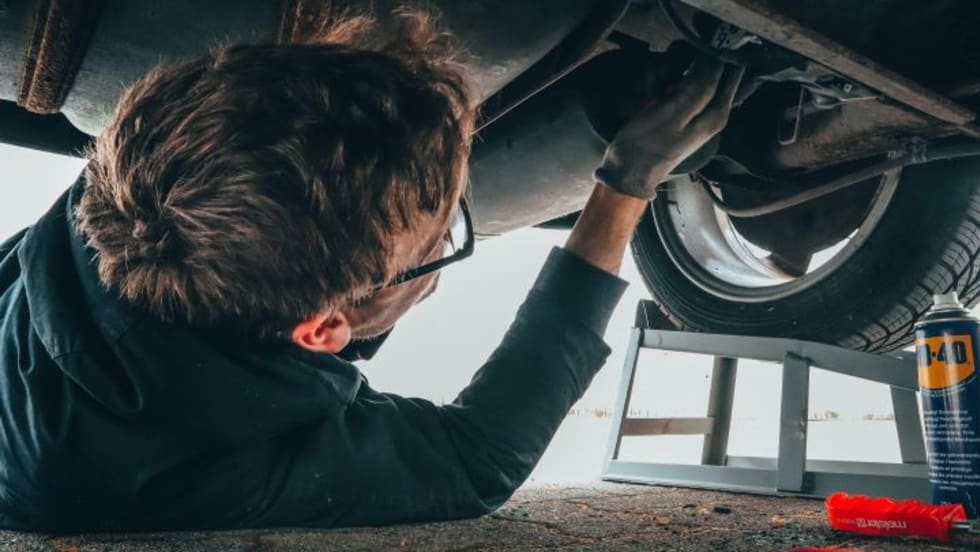
Auto Dealers Losing Service Customers
Study finds that though overall service drive revenue is up, loyalty is eroding
Read More →
Jeeps Can Catch Fire
Hundreds of thousands recalled, some for second time, to address battery flaw
Read More →