



Top 5 Ways to Sell More Used Cars Online
Take advantage of every opportunity the internet offers to move used units more quickly for more money.

In today’s market, all of your retail inventory, including every used unit, should be available on the internet. Most dealers are already doing this, but you may not be taking full advantage of the opportunity. Here are the top five ways to start moving more used units online today:
1. Post More
The sooner you post inventory online, the better. In some stores, there is a significant delay in getting vehicles prepared for display and posting them on the website. Some dealers have gone to a dual-staging format, in which vehicles, once procured, are quickly given a cleaning and then staged and photographed prior to reconditioning.
The vehicle might get dirty in the shop, so you might consider two washes a waste of time. It’s not. Time-to-market is one of our greatest challenges. The quicker your products can be made available, the quicker the public will be able to consider them for purchase.
And while we’re on the topic, let’s discuss those images. Photograph vehicles in the same location, facing the same direction, to give your web inventory a clean, uniform look. And post at least 40 pictures of every vehicle. Remember, an internet customer is shopping online for several reasons, one of which is not having to deal with a salesperson.
Your photos and descriptions are a virtual product presentation. Include as many pictures as possible and represent every part of the vehicle, inside and out — regardless of price point. In other words, take as many photos of your “cash corral” vehicles as your core inventory.
2. Price Smarter
There are differing opinions about whether your online pricing should match the pricing of the inventory on your lot. Legal issues aside, consistent pricing promotes a perception of legitimacy from the car buyer’s perspective.
The last thing you want is for a salesperson to be put in the position of trying to explain why an on-lot price is higher than one a customer has seen on the internet. Would you blame the customer for withholding that information to find out what kind of salesperson they’re dealing with?
Consistent pricing also allows management to track “gross leak.” Many top dealers are starting to track, on an individual salesperson basis, the difference between the price listed on the net and the final sales price. This “leak” can be caused by several factors, including email and phone negotiations, sight-unseen appraisal values quoted by the salesperson, and discussions about payments prior to the customer coming to the store.
All these factors erode gross at a time when dealers are being very competitive with online pricing. When your prices match, it simplifies the process of tracking gross erosion and allows you to more quickly identify and address opportunities within their process.
The frequency with which your prices change depends partly on your market and mostly on availability and demand. The ultimate purpose of your investment in a used car is return. The quicker the sale (at a profit), the higher potential for return.
3. Know Your Competition
You need to know how your competition is approaching used-car internet sales. The easiest way to find out what they’re up to is to mystery shop them.
Use Gmail to quickly and easily set up email accounts specifically for this purpose. Be sure to note not only the pricing, but also the format of your competition’s response. Do they give pricing right off the bat, or are they initially focused on setting an appointment? Is there an attempt to obtain an appraisal of a potential trade? Are there specific questions being asked of the customer to determine time frame, use of vehicle, primary decision makers, budget?
Is there a focus on other facets of the dealership, such as history, service, volume, customer satisfaction? Does the email include photos of the vehicle and the internet salesperson? Are they using video response? These are your clues to a competitive advantage.
4. Negotiate Better
Negotiating internet sales depends on a couple of factors, including how much negotiation was conducted prior to the customer arriving at the store.
If the salesperson’s initial focus was to set an appointment and they were successful, they should work the deal as they would any other deal. If they agreed upon a price prior to the customer’s arrival, that price and the original price should be disclosed upfront. They should work the deal with a focus on capturing financing and a trade.
5. Use eBay
Some of the more aggressive used-vehicle department heads I know spend time every day scouring eBay. They’re looking for high-demand, low-availability vehicles from across the country. Their efforts are frequently rewarded by “A” vehicles (not commodity cars) they can procure and turn for a profit.
Regardless of department size, you can use eBay to market your used units. Pricing minimums must be strictly reviewed and set by the used-car manager. It’s also important to have a plan for when vehicles are made available. Is eBay used proactively or as a last-ditch effort?
Be aggressive and keep ROI in mind. Capture every trade you can. Get them reconditioned and on the lot quickly. Make every effort to build effective VDPs.
Finally, ask yourself this: Are the goals of your used-car department, the management of the inventory as an investment, the stocking levels, model mix, and rules of engagement clearly defined and regularly reinforced? If not, what are you waiting for?
Bill Mokry is West regional manager for Service Group, an F&I income development company. Email him at [email protected].
More Digital
Dealer Debrief: New Technician Credential & Vehicles for Change
In this week's debrief, host Lauren Lawrence covers a new ADAS technician credential that is in the works and a partnership between NADA and Vehicles for Change.
Read More →
Dealer Debrief: Dealer's Choice Awards
In this week's debrief, host Lauren Lawrence covers reinsurance, IIHS safety picks, and voting for the 2026 Dealers' Choice Awards.
Read More →
JD Power Launches F&I Performance, ID Verification Tools
The resources are the first two offerings by the company's new Dealer Solutions division, which is being led by auto industry veteran Doug Betts.
Read More →
Advanced Safety Features Make a Difference
GM says research shows such technologies have made real inroads in reducing the rate of U.S. collisions as it aims for crash-free roads.
Read More →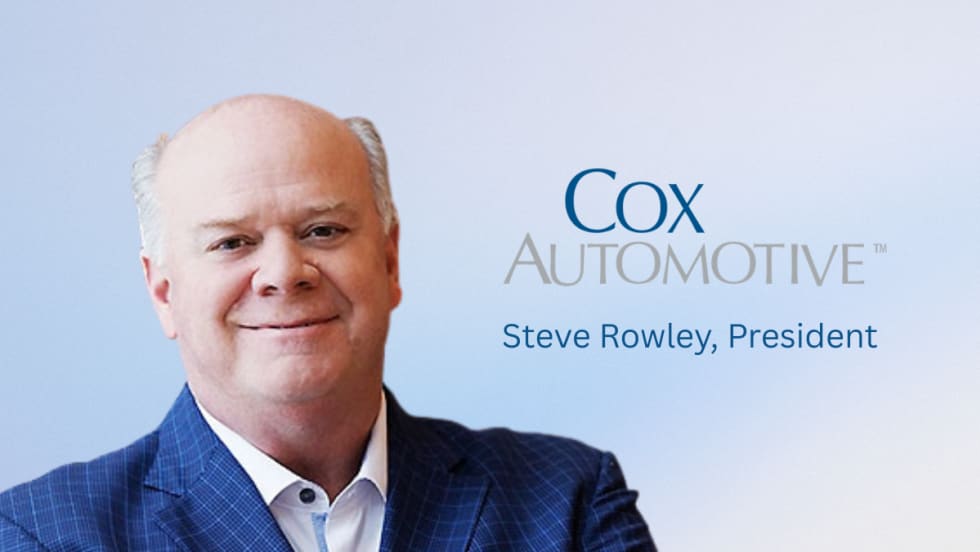
Cox Automotive to Acquire Fullpath
The company says the deal brings artificial intelligence-native data and marketing infrastructure to its dealer network for a unified platform.
Read More →
Managing Risk Effectively Through Changing Times
The variables influencing risk pricing have changed significantly over the past five years. Being proactive and responsive to emerging trends is not optional but essential.
Read More →
Dealer Debrief: EV Sales, Brand Loyalty & More
In this week's Dealer Debrief, host Lauren Lawrence covers EV sales, tire brand loyalty, and new industry executive leaders.
Read More →
Reynolds, Corpay Partner to Enhance Dealership Payables
The new connection between the companies is designed to help digitize payments, targeting smoother transactions for automotive dealers.
Read More →
Owner Retention Stakes Have Never Been Higher
Service advisers represent dealerships’ foundation in fostering ongoing customer loyalty, and they must maintain certain standards to keep that foundation strong.
Read More →
Free Public Scoring System Rewards Honest Dealer Prices
CarEdge Dealer Transparency Index is based on verified quotes, and retailers can be rewarded with badges and other marketable proofs of honest pricing.
Read More →